Unlocking Character: Why Aloalla Redefines Vintage Typography
In a digital landscape saturated with sterile, uniform sans-serifs and predictable geometric shapes, finding a voice that truly stands out can feel like shouting into a void. Designers and creators are constantly searching for that one element capable of injecting soul, history, and raw texture into their work without sacrificing legibility or professional polish. This is where Aloalla enters the conversation not just as another font file, but as a deliberate stylistic choice that bridges the gap between nostalgic charm and modern functionality.
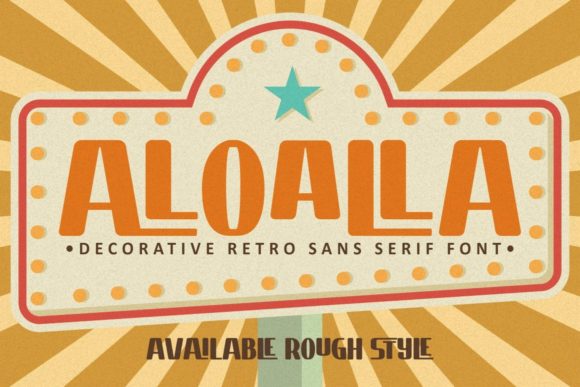
Aloalla is a vintage-styled, rough-textured display font designed to capture the gritty essence of early printing presses and hand-carved signage. Its appeal lies in its imperfection; every stroke feels handcrafted, bearing the subtle irregularities that mass-produced typefaces often lack. However, beyond its aesthetic allure, Aloalla offers a technical advantage that many retro fonts fail to deliver: it is PUA encoded. This means you can access all of the amazing glyphs and ligatures with ease, ensuring that your designs are not only visually striking but also technically robust and versatile across various platforms.
The Anatomy of Authenticity
What sets Aloalla apart from other vintage options on the market is its commitment to texture and character. Unlike standard serif or slab-serif fonts that might look clean and polished, Aloalla embraces the "rough" aspect of typography. The edges are slightly weathered, and the weight distribution varies in a way that mimics ink spreading on porous paper or paint chipping on an old wooden sign. This characteristic makes it incredibly effective for headlines, posters, and branding elements where the goal is to evoke a specific era or mood.
The PUA (Private Use Area) encoding is a critical feature for professionals who demand precision. In the world of typography, special characters, alternate glyphs, and decorative ligatures are often hidden behind complex keyboard shortcuts or require third-party plugins to access. With Aloalla, these features are integrated directly into the font's architecture. You can add it confidently to your favorite creations and let yourself be amazed by the outcome generated, knowing that every unique symbol is readily available. This accessibility streamlines your workflow, allowing you to focus on creativity rather than troubleshooting font mapping issues.
Why Texture Matters in Modern Design
It is easy to dismiss texture as merely a visual flourish, but in reality, it plays a vital role in user experience and communication. A flat, two-dimensional design can sometimes fail to engage an audience emotionally. By introducing a rough, tactile quality through Aloalla, you create a sense of depth and authenticity that resonates with viewers. This is particularly important for brands looking to humanize their identity or creators aiming to tell a story that feels grounded in reality.
When used correctly, the rough texture of Aloalla does not hinder readability; instead, it enhances engagement. It draws the eye to key information and creates a memorable impression. Whether you are designing a menu for a rustic bistro, a poster for a local music festival, or a cover for a historical fiction novel, the font provides the necessary context before the reader even processes the words.
Practical Applications Across Industries
The versatility of Aloalla extends far beyond simple graphic design projects. Its unique characteristics make it a valuable asset for a wide range of professionals, from marketers and entrepreneurs to educators and hobbyists. Understanding where and how to apply this font can significantly elevate the perceived value of your work.
- Branding and Identity: For businesses wanting to project an artisanal, craft-oriented, or heritage image, Aloalla serves as a powerful tool. Think of boutique coffee shops, independent breweries, or handmade jewelry stores. The font communicates quality and tradition, helping these brands differentiate themselves from corporate competitors.
- Digital Marketing and Social Media: In the crowded feed of social media, static images often get ignored. Using Aloalla for headers in blog posts, email newsletters, or promotional graphics can break the monotony of standard web fonts. Its bold presence grabs attention immediately, increasing click-through rates and time spent on page.
- Educational Materials: Educators and publishers can utilize Aloalla to make learning materials more engaging. History textbooks, literature anthologies, or creative writing prompts benefit from a typeface that feels organic and inviting, reducing the cognitive load associated with reading dense, sterile text.
- Event Planning and Hospitality: Weddings, concerts, and conferences often rely on thematic consistency. Aloalla fits perfectly into invitations, stage backdrops, and signage for events that aim for a vintage, bohemian, or industrial aesthetic.
Enhancing Communication Through Style
Effective communication is not just about the words you choose; it is also about the vessel carrying them. When you select Aloalla, you are making a statement about the tone of your message. It suggests reliability, craftsmanship, and a touch of rebellion against the status quo. This psychological association can influence how your audience perceives your brand or content, fostering a deeper connection based on shared values of authenticity and quality.
For freelancers and agency owners, having a font like Aloalla in your toolkit adds a layer of professionalism. It demonstrates that you understand the nuances of typography and are willing to invest in high-quality resources that yield superior results. Clients appreciate when a designer can articulate why a specific font was chosen and how it contributes to the overall strategy of the project.
Navigating Implementation and Best Practices
While Aloalla is a powerful asset, like any design tool, it requires thoughtful implementation to achieve the best results. The first consideration is hierarchy. Because Aloalla is a display font with a strong personality, it should generally be reserved for headlines, titles, and short phrases rather than body text. Overusing it can lead to visual fatigue and reduce the overall readability of your document.
Pairing is another crucial factor. To balance the rough texture of Aloalla, consider combining it with a clean, neutral sans-serif or a classic serif for supporting text. This contrast allows the display font to shine while maintaining clarity for the informational content. Experimentation is key here; different pairings will evoke different moods, so test several combinations before finalizing your design.
Furthermore, leverage the full potential of the PUA encoding. Don't just stick to the standard alphabet. Explore the alternate glyphs and ligatures to add unique flourishes to your layouts. These small details can transform a generic design into a custom piece of art, showcasing the unique capabilities of the font family. Remember to check licensing agreements to ensure you have the appropriate rights for commercial use, especially if you are working on client projects.
Moving Forward with Confidence
In conclusion, Aloalla represents more than just a stylistic trend; it is a functional solution for designers seeking to inject character and history into their work. Its rough texture and extensive glyph set offer a level of customization and authenticity that is increasingly rare in the digital age. By integrating Aloalla into your workflow, you empower yourself to create designs that are not only beautiful but also meaningful and effective.
Whether you are revamping a brand identity, creating a compelling marketing campaign, or simply adding a touch of vintage flair to a personal project, Aloalla provides the tools you need to succeed. Add it confidently to your favorite creations and let yourself be amazed by the outcome generated. The result is a design that speaks volumes, connecting with audiences on a deeper, more emotional level while standing out in a sea of sameness.